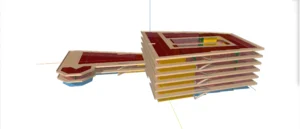
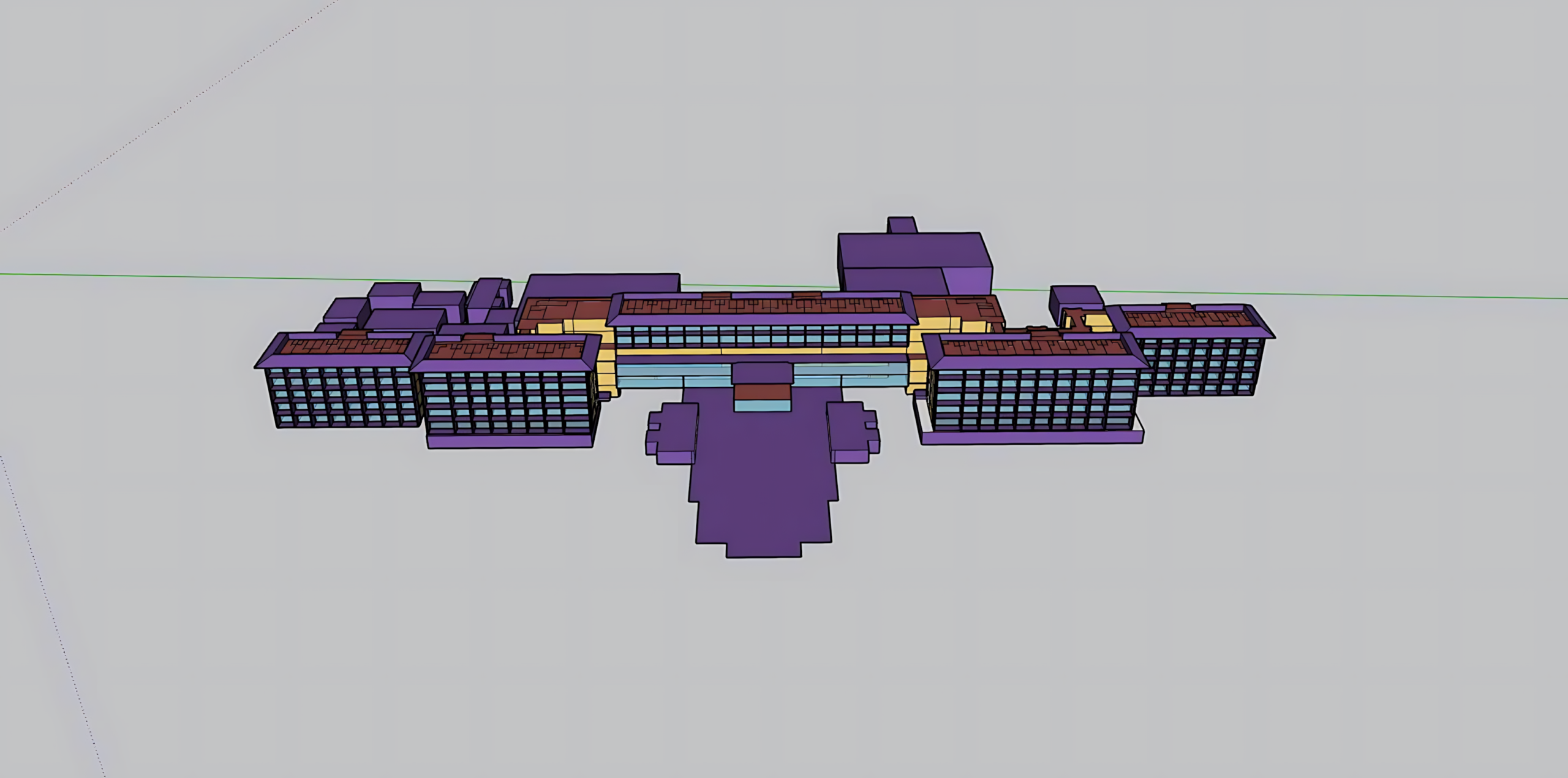
As part of SBVN’s in-depth analysis series, Part 9 presents a practical case study on energy design optimization for a hotel project in Khanh Hoa Province. Through physics-based thermal simulation, Building Energy Modeling (BEM), and HVAC system performance analysis, SBVN conducted a comprehensive assessment of the baseline design to identify the key factors contributing to increased cooling loads and higher lifecycle costs.
This case study demonstrates how a data-driven approach enables project owners to simultaneously optimize capital expenditure (CAPEX), reduce operating expenditure (OPEX), and enhance the project’s potential to achieve green building certifications such as LEED. Simulation results show that integrating high-performance glazing with a VRF system and a heat recovery PAU can generate significant economic value from the early design stage.
1. General Project Information
- Project: Hotel
- Location: Khanh Hoa, Vietnam
- Project Target: Optimize capital expenditure (CAPEX), reduce operational expenditure (OPEX), and aim to meet LEED green building certification standards.
- Scope of Work: SBVN conducted inspections, performed thermal physics modeling and in-depth energy modeling, evaluated the performance, and proposed performance improvements for the building envelope design and HVAC system.
2. Key issues to note at the time SBVN received the project documentation
During the development of the baseline energy model from the existing design, we identified several factors that increased the system load and life-cycle costs of the project:
- Suboptimal selection of building envelope glazing materials. The glazing in the existing design has a high Solar Heat Gain Coefficient (SHGC) of 0.55. This allows solar heat to easily penetrate the interior space. Statistics from high-end rooms show that this solar radiation accounts for the largest proportion of the total cooling load, forcing the cooling system to work harder.
- The baseline HVAC system is highly energy-intensive. The system utilizes Variable Refrigerant Flow (VRF) air conditioning combined with a Primary Air Unit (PAU) but has not yet implemented a heat recovery mechanism. When operating continuously for the hotel block with fluctuating occupancy rates, the required cooling capacity reaches 792.1 kW, leading to substantial annual energy costs.
3. Opportunities to improve the project’s energy efficiency while reducing investment costs
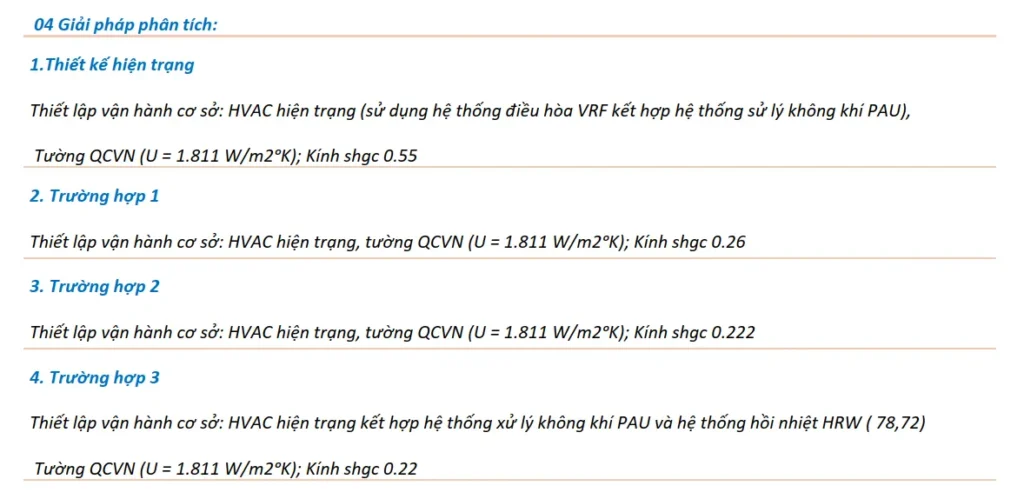
Figure 1: Proposed Solutions
Based on the baseline analysis, we simulated improvement scenarios to find the best balance between cost and energy efficiency. The proposed option (Scenario 3) focuses on the following solutions:
- Optimizing the building envelope: Replacing the originally designed glazing with glass having a significantly lower Solar Heat Gain Coefficient (at 0.22), while keeping the walls strictly in compliance with Vietnam Building Codes (QCVN). This solution blocks the majority of solar heat from entering the rooms while still allowing adequate natural daylight, thereby eliminating the largest external heat source.
- Optimizing the HVAC system: In addition to the VRF system and the fresh air PAU, a heat recovery system is added. The heat recovery wheel (HRW) utilizes the exhausted cool air to pre-cool the hot fresh air drawn from outside. This reduces the workload on the primary cooling equipment, effectively lowering the system’s cooling load.
4. Economic and technical results of the proposed solutions
Implementing the proposed technical solutions brings clear benefits across all financial and operational aspects compared to the baseline design:
- Initial Capital Expenditure (CAPEX): The total investment cost for the air conditioning system is reduced by 5.81 billion VND (from 13.49 billion VND down to 7.67 billion VND). Applying an effective building envelope helps lower the required cooling capacity, thereby directly reducing equipment procurement costs.
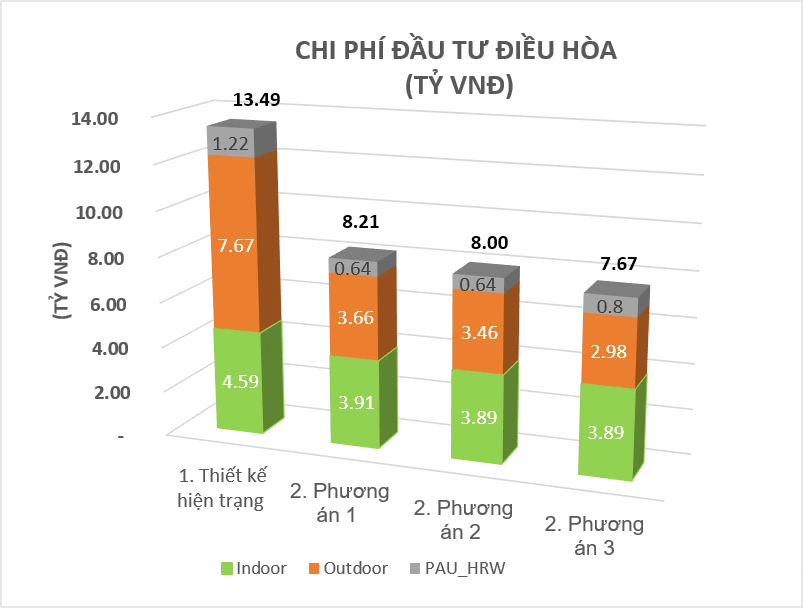
Figure 2: Chart comparing total capital expenditure (Billion VND)
- Annual Operational Expenditure (OPEX): The electricity cost for operating the air conditioning system is reduced by 1.15 billion VND annually (dropping from 3.17 billion VND down to 2.02 billion VND).

Figure 3: Chart comparing operational expenditure (Billion VND)
- Total Operational Energy: Reduced by 672.11 MWh/year, down from 1,860.13 MWh to 1,188.02 MWh.
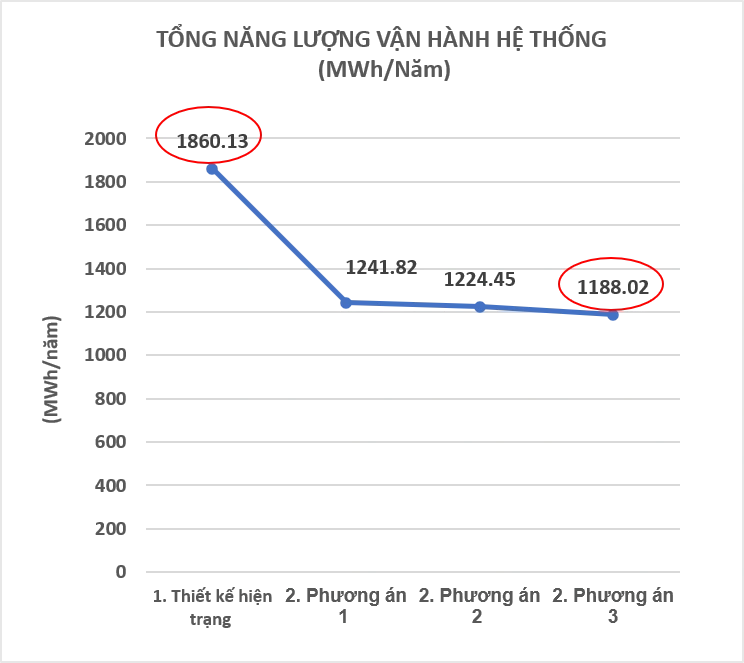
Figure 4: Chart comparing annual operational energy (MWh)
- Energy Use Intensity (EUI): Reduced to 72.00 kWh/m2/year. Figure 5: Chart comparing Energy Use Intensity in the building (kWh/m2/year).
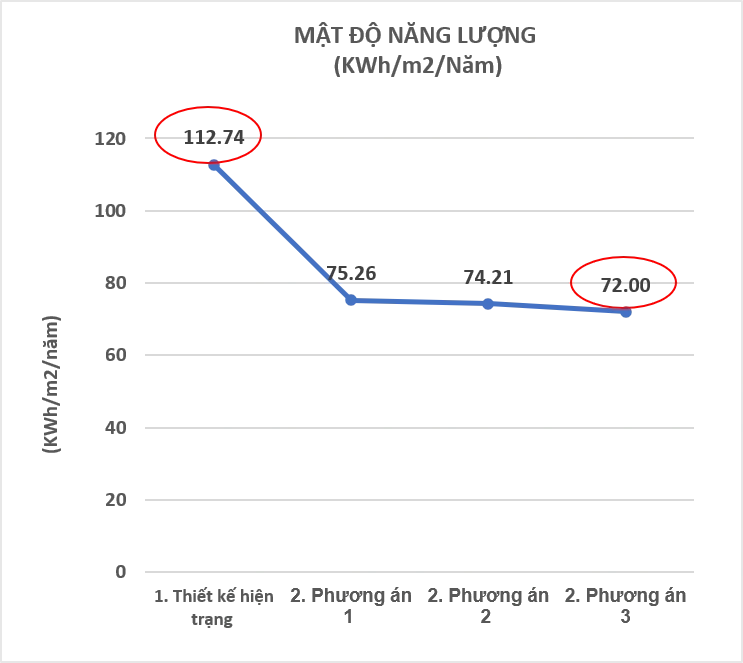
Figure 5: Chart comparing Energy Use Intensity in the building (kWh/m2/year)
- Carbon Emissions: Reduced by 564.57 tons of CO2, dropping from 1,562.51 tons to 997.94 tons.
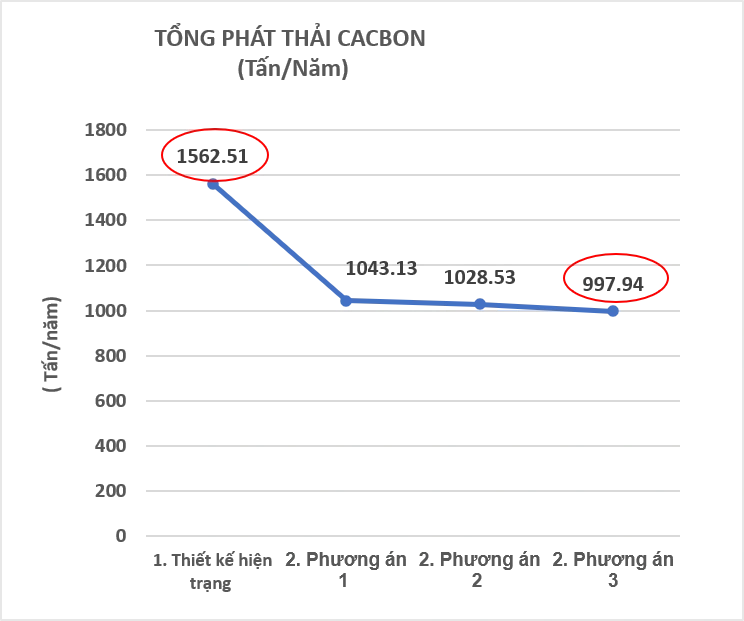
Figure 6: Chart comparing total Carbon emissions (Tons)
- LEED Certification: The proposed design achieves a 45.47% energy cost saving compared to the LEED baseline, creating a major advantage for certification approval.
5. Conclusion
Through the process of analysis and simulation, all proposed technical improvement scenarios have demonstrated their effectiveness in reducing CAPEX and OPEX compared to the existing design. Among them, Scenario 3 is identified as the most optimal investment scenario for the project.
This scenario delivers outstanding efficiency by combining a VRF air conditioning system, a high-efficiency PAU air handling unit, alongside a building envelope that uses QCVN-compliant walls and highly insulated glazing (SHGC = 0.22).
Choosing this design not only helps the Investor cut 5.81 billion VND in initial capital expenditure but also brings long-term sustainable value through saving 1.15 billion VND in energy costs (equivalent to 672.11 MWh) and reducing carbon emissions by 564.57 tons annually.
The results from the hotel project prove that: data-driven optimal design through energy modeling is not merely a stepping stone toward green standards. More profoundly, it is a sharp risk management and asset optimization strategy, enabling the Investor to master the building’s life-cycle cost structure, unlock wasted capital, and establish a platform for sustainable profitability right from the very first strokes of the design.