
Overview
In Greece, total final energy consumption decreased by almost 12% from 2000 to 2022. Transport is the largest consuming sector holding 39% of the final energy use in 2022, showing a decrease of 6% in the period from 2000 to 2022. Residential sector is the second consuming sector holding 28% of the final energy use, showing a decrease of about 1%. Industry with a share of 17% of the final energy use in 2022 decreased by almost 42%, while services have a share of 14% of the final energy use and showed an increase of 72% (Figure 1).
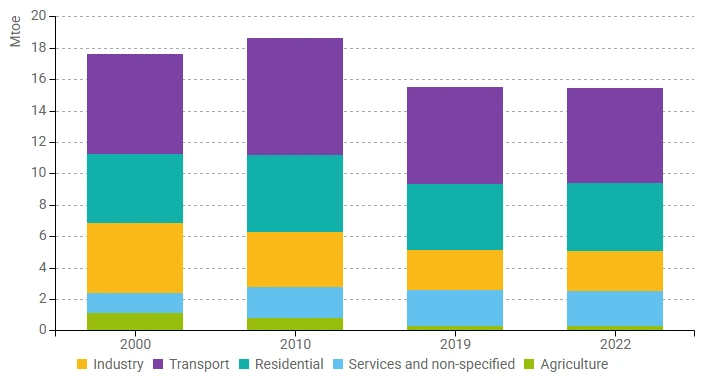
Figure 1: Final energy consumption by sector (with climatic corrections)
Over the period 2000 to 2022, the energy efficiency of final consumers, as measured by ODEX indicator, improved by 35%, i.e. 1.9%/year (Figure 2). The largest improvements (i.e. decrease in ODEX) were registered by the transport (excluding international air transport) and industry sectors with 2.6%/year and 2.4%/year, respectively; households efficiency increased much slower, by 1.5%/year, while services had no measurable improvement. The implementation of measures together with the impact of the economic recession are the main reasons behind the decrease in the ODEX indicator.
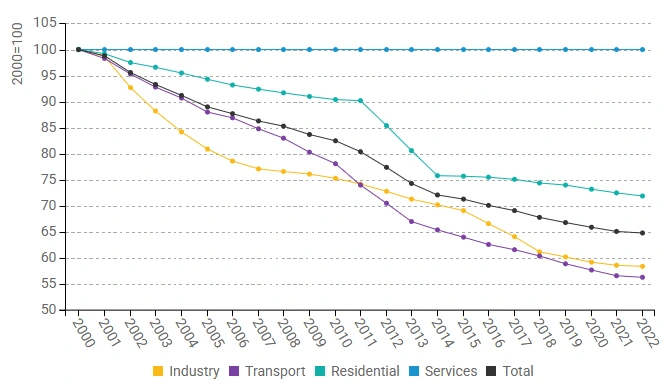
Figure 2: Technical Energy Efficiency Index
The total energy savings in Greece stood at 7 Mtoe in 2022, increased by 1.8%, compared to the previous year’s levels, and they have recorded a constant upward trend since 2000. The highest rise of total energy savings was noted in industry (3.2%), followed by transport (1.8%) and households (0.1%). It is worth noting that the energy savings from the services sector are negligible.
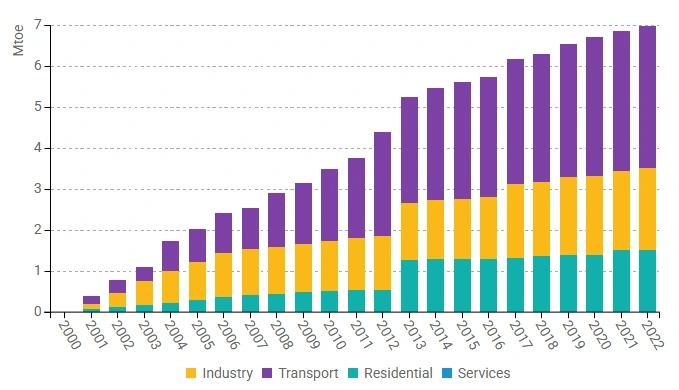
Figure 3: Energy savings by sector
In Greece, the total energy supply decreased by 25% in 2022, compared to 2000. The main drivers of this fall include the decline by 2.4 Mtoe of the final energy consumption for energy uses, by 3.8 Mtoe of the net consumption of the power sector (including cogeneration), by 0.5 Mtoe of the consumption of the other energy transformations (hydrocarbon and coal sectors, district heating without cogeneration) and by 0.3 Mtoe of the consumption of non-energy uses. The large decrease of the net consumption of the power sector is mainly due to the penetration of renewables (-2.6 Mtoe) and substitution from lignite to gas for thermal power (-1.1 Mtoe).
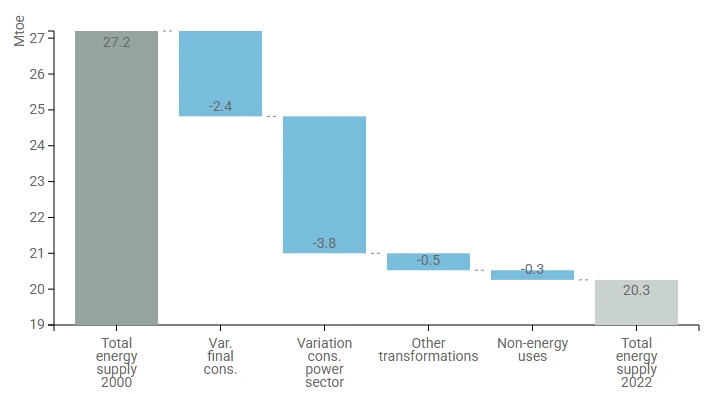
Figure 4: Main drivers of the total energy supply variation
In Greece, the final energy consumption decreased by 13% in 2022, compared to 2000. Energy savings contributed significantly, by 7 Mtoe, to move downwards the final energy consumption. Activity, which includes, among others, change in value added in all sectors, increased final consumption by 1.9 Mtoe, followed by a rise of 1.2 Mtoe due to structural effects in industry and services and modal shift in transport. Other effects reached 1.8 Mtoe in 2022, i.e. behaviors for households, value of product in industry, labor productivity in services and “negative” savings due to inefficient operations in industry and transport.
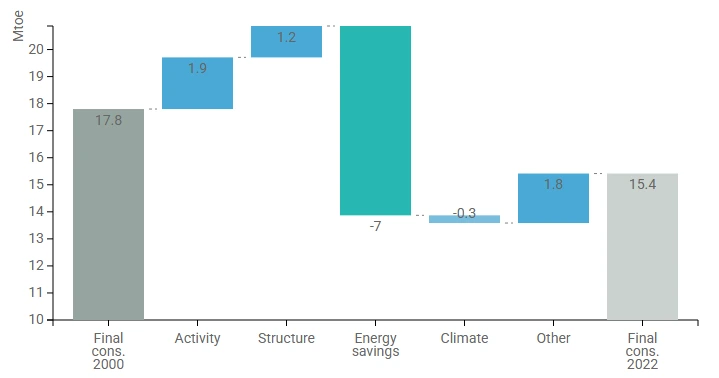
Figure 5: Main drivers of the final energy consumption variation
Under Article 7 of the EED, Greece had a target of achieving cumulated energy savings for 3,333 thousand tonnes of oil equivalent (ktoe) or 140 PJ between 2017 and 2020. In its National Energy Efficiency Action Plan of 2017, the government indicated a number of measures in different sectors to achieve this target. Data on achieved energy savings show that the Energy Efficiency Obligation Scheme (EEOS) in Greece overachieved the target of 14 PJ, reaching 61.4 PJ of cumulated energy savings.
Greece’s EEOS started in 2017 and is managed by the CRES. Obligated parties are electricity, gas, oil products suppliers or retailers whose market share is higher than 1%. The number of obligated parties was 35 in 2022. From 2017 to 2020, the EEOS exceeded its target demand reduction by 80%, with annual savings growing from 7.3 PJ to 36 PJ.
A new cycle of energy savings is expected under the EED for EU countries from 2021 to 2030. Greece is expected to achieve cumulative energy savings of 7,299 ktoe or 305 PJ by the end of this period.
| Measures | Description | Expected savings, impact evaluation |
|---|---|---|
| Promotion of heating and cooling systems from RES and CHP systems for self-consumption | Installation of heating and cooling systems from Renewable Energy Sources (RES) and Cogeneration of Heat and Power (CHP) systems for self-consumption in order to improve energy efficiency in manufacturing and craft industries, trade, services, tourism and shipping sectors. | 0.61 TJ |
| Urban bioclimatic restructuring | This measure promotes an innovative approach to the design of buildings and landscapes that is based on local climate and involves solar heating, sun shading, natural ventilation, and the use of building materials, as well as urban greening for thermal time lag and storage. As an extension of bioclimatic design, urban and rural resilient design prioritizes health and safety, preparing buildings, communities, and regions for natural disasters and climate change by adding precautionary measures. | 0.61 TJ |
| Energy efficiency obligation scheme | Energy Efficiency Obligation schemes are a mechanism that places requirements on ‘Obligated Parties’ (OPs) to meet quantitative energy savings targets across their customer portfolio. OPs may be retail energy sales companies, energy distributors, transport fuel distributors, and/or transport fuel retailers. | 3.04 TJ |
Buildings
In Greece, the final energy consumption of residential and services buildings with climatic corrections stood at 6.6 Mtoe in 2022; it increased by 16%, compared to 2000. Households contributed to 2/3 of this consumption in 2022.
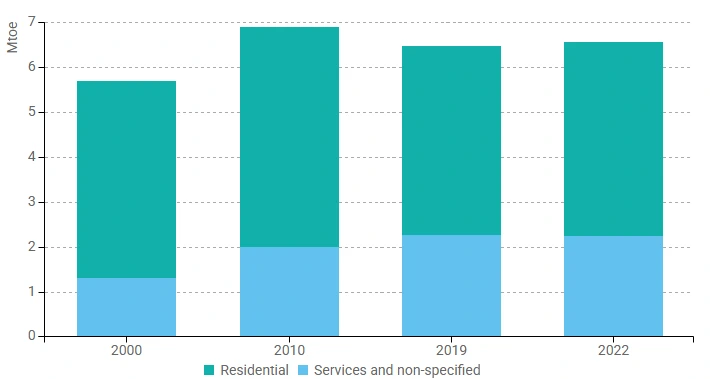
Figure 6: Final energy consumption in buildings (with climatic corrections)
In Greece, the total energy consumption of households reached 4.3 Mtoe in 2022, down by 1% compared to 2000. Space heating contributed for 58% of this consumption in 2022, followed by electrical appliances and lighting (17%), water heating (15%), cooking (6%) and air cooling (4%).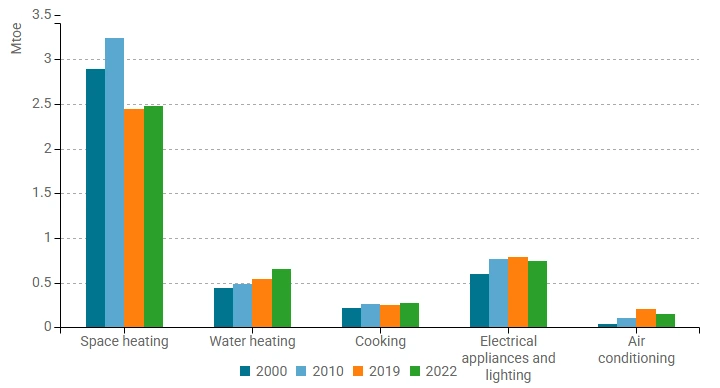
Figure 7: Energy consumption by end-use of households (with climatic corrections)
In Greece, the unit consumption per m2 of space heating with normal climate decreased by 1.3%/year over 2000-2022, mainly due to the retrofitting of existing buildings and behavioural changes (economic recession, energy poverty, etc.), reaching 6.7 koe/m2 in 2022.
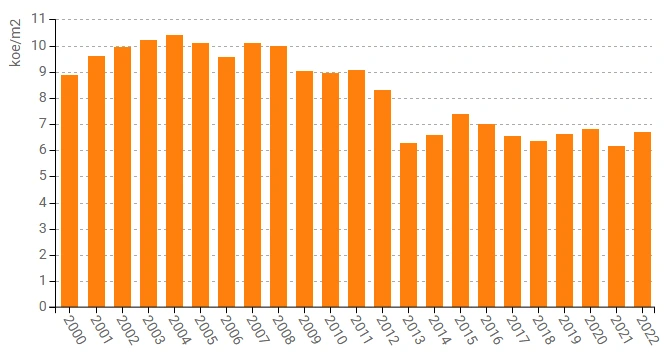
Figure 8: Energy consumption of household space heating per m2 (with climatic corrections)
In Greece, the unit consumption per dwelling for electrical appliances and lighting increased by 14% over 2000-2022, while a rise of 36% was recorded for water heating during this period. Similarly, the unit consumption per dwelling for cooking and air cooling rose by 12% and 265% respectively during 2000-2022. However, all the figures were very low in 2022, standing at 0.18 toe/dw for electrical appliances and lighting, 0.16 toe/dw for water heating, 0.06 toe/dw for cooking and 0.04 toe/dw for air cooling.
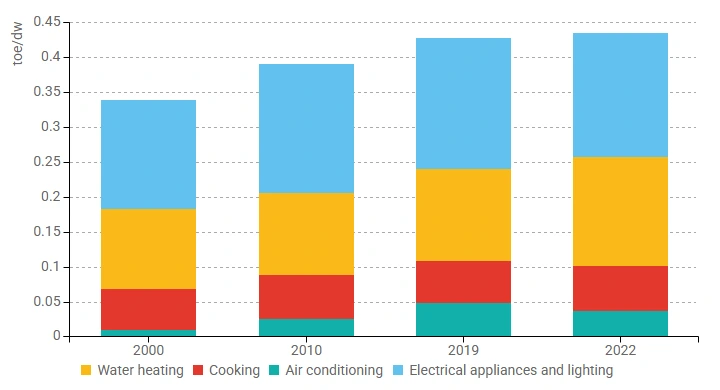
Figure 9: Energy consumption per dwelling by end-use (except space heating)
The total electricity consumption per dwelling by end-use was 3,945 kWh/dw in 2022, up by 14%, compared to 2000. In 2022, electrical appliances and lighting contributed by 52% in this unit electricity consumption per dwelling, more than thermal uses (37%), while the remaining 11% corresponded to air cooling.
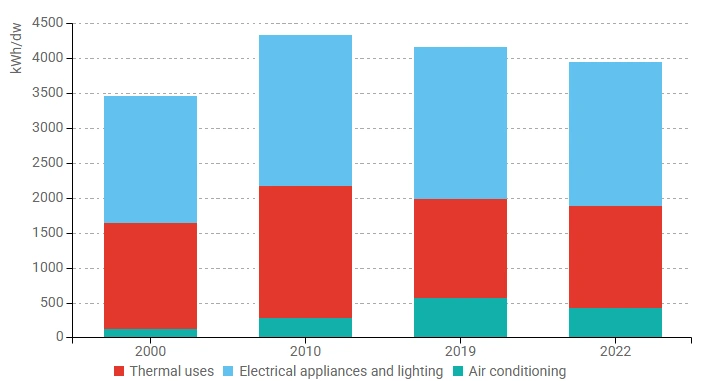
Figure 10: Electricity consumption per dwelling by end-use (with climatic corrections)
In Greece, the total energy consumption in the residential sector decreased by 0.22 Mtoe (-4.9%) between 2000 and 2022, reaching 4.3 Mtoe in 2022. Energy savings decreased the total energy consumption in the residential sector by 1.52 Mtoe in the aforementioned period. Climatic difference reduced consumption by 0.22 Mtoe (2022 being warmer than 2000), while all the other parameters contributed to raise consumption. More specifically, the number of occupied dwellings increased consumption by 0.45 Mtoe, the progression in appliances ownership led to an increase of 0.93 Mtoe, while the average floor area per dwelling rose consumption by 0.16 Mtoe.

Figure 11: Main drivers of the energy consumption variation in households
In Greece, the total space heating consumption in the residential sector decreased by 0.61 Mtoe (-20% over 2000-2022), reaching 2.5 Mtoe in 2022. Energy savings led to a reduction of the total space heating consumption by 1.18 Mtoe, while climatic difference declined consumption by 0.22 Mtoe. All the other parameters contributed to increase consumption.
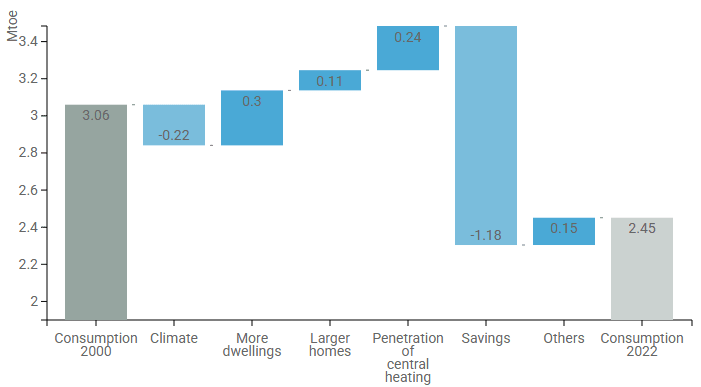
Figure 12: Main drivers of the space heating consumption variation of households
In Greece, energy and electricity consumption per employee in services (with climatic corrections) shows a similar trend over 2000-2022, increasing by 23% (0.9%/yera) in terms of energy consumption per employee and by 7% in terms of electricity consumption per employee in 2022.
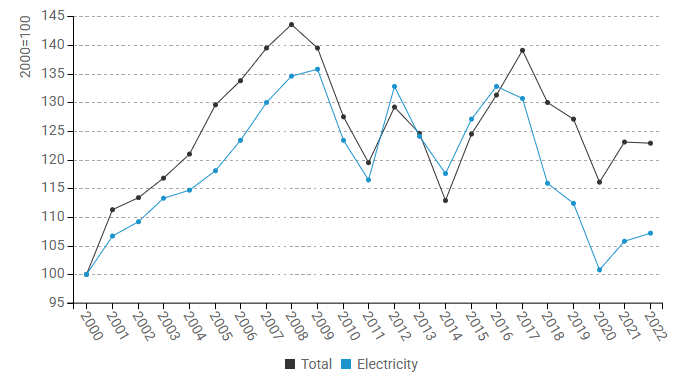
Figure 13: Energy and electricity consumption per employee in services (with climatic corrections)
Energy efficiency improvement in the residential sector is a combination of regulatory measures for new buildings, which set more strict thermal insulation requirements and minimum requirements for the efficiency of heating and cooling systems as well as for hot water production, and on the other hand support measures for retrofitting the existing building stock. The “Saving at home” programme is a national programme for residential sector, offering financial support for interventions in building envelope, heating/cooling systems, and installation of RES for domestic hot water production. It was first launched in 2011 and the type of financial support offered was a subsidy ranging from 15% to 70% based on income criteria, with a low-interest loan for the remaining investment. Basic requirement of the programme was the issuing of EPC before and after the interventions.
| Measures | Description | Expected savings, impact evaluation |
|---|---|---|
| The “Rooftop Photovoltaics” programme | The “Rooftop Photovoltaics” programme enables thousands of households and farmers to generate the electricity they need and save money. Beneficiaries of the programme are households and farmers who will be able to install their own small photovoltaic unit, combined with a storage system (battery). | 0.54 TJ |
| Energy labelling of appliances and minimum energy efficiency requirements – Residential Sector | Energy labelling is a key driver for helping consumers choose products, which are more energy efficient, while at the same time, it encourages manufacturers to drive innovation by using more energy efficient technologies. | 0.18 TJ |
| The “Recycle – Change Water Heater” programme | Through this programme, the beneficiary households will be able to receive a subsidy for the replacement of energy-consuming electric water heaters with new, modern technology, solar water heaters. | 0.54 TJ |